
Useful Discomfort or Harm? A Better Question Than “Which Pain Should I Embrace?”
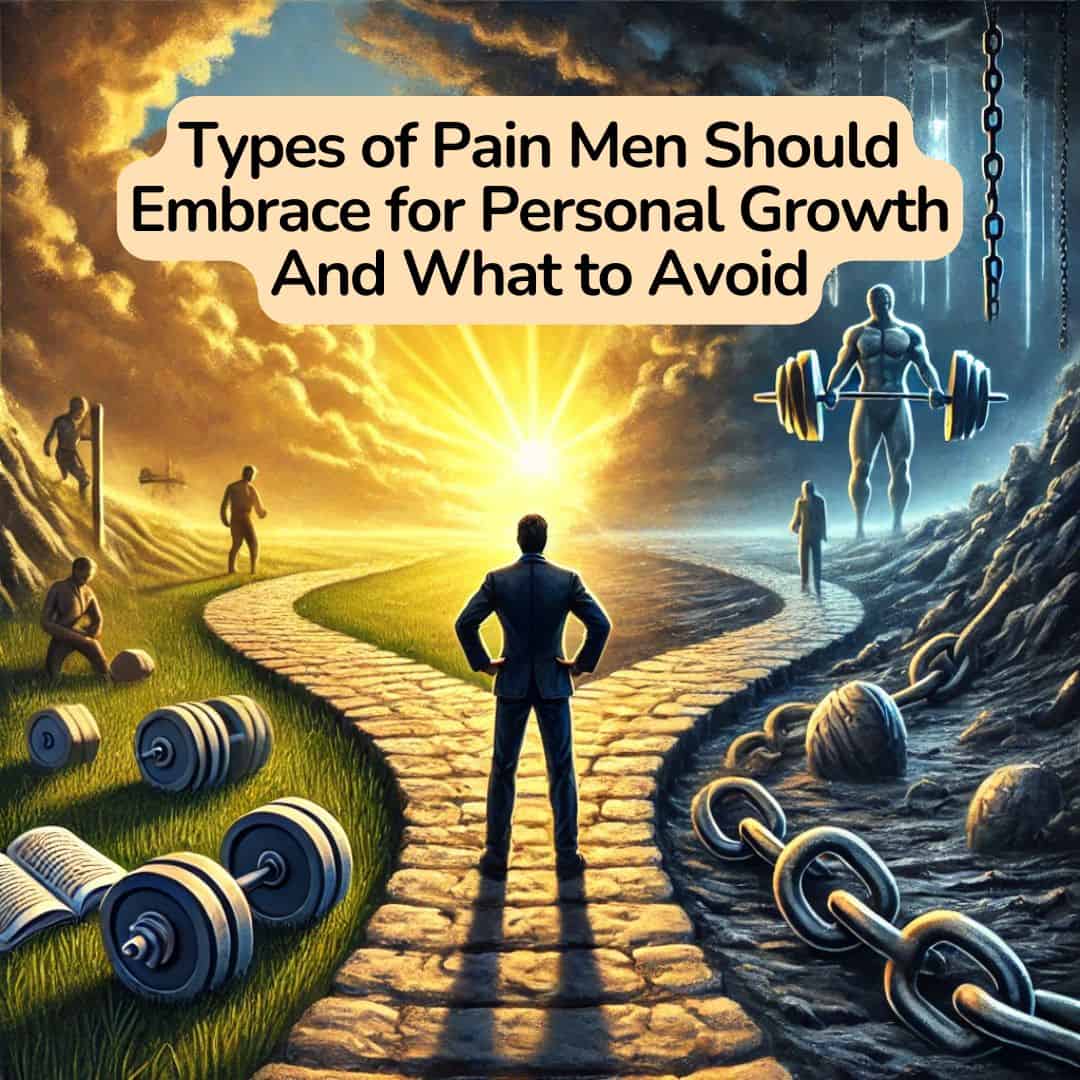
Some worthwhile actions feel uncomfortable. That does not make all pain productive. Before persisting, examine purpose, safety, consent, capacity, and whether you can stop or adjust. Pain itself is not evidence that an experience will help you grow.
Discomfort that may accompany a worthwhile action
Practising a skill, receiving fair feedback, making a repair, changing a habit, or speaking honestly can challenge familiar patterns. Assess the action by its purpose and effects rather than its intensity.
Discipline should support a chosen responsibility. Responsibility should concern what is actually yours. Letting go may involve grief and practical planning, not a command to forgive or move on immediately.
In physical training, effort and pain should not be treated as interchangeable. Use qualified guidance suited to your health rather than a rule to push through symptoms.
Harm that should not be glorified
Threats, coercion, humiliation, unsafe conditions, and neglected health are not prerequisites for maturity. Seeking protection or changing a plan can be appropriate.
Do not tell someone that remaining in a harmful situation proves strength or that leaving is merely a matter of willpower. Resources, safety, obligations, and support affect available choices.
Five questions before you continue
- What worthwhile purpose is this action serving?
- What evidence suggests it is helping rather than harming?
- Can I consent, adjust, pause, or stop?
- What recovery, resources, or expertise does it require?
- Who else carries the consequences of my choice?
If the answers are unclear, seek advice or reduce the experiment. Do not use endurance to avoid examining the plan.
Bring the distinction home
An honest apology may feel uncomfortable because you are acknowledging impact. A conversation full of threats is unsafe for a different reason. Calling both "growth pain" conceals the distinction that should guide your response.
Choose one difficult commitment and review whether to continue, modify, pause, or seek help. The aim is responsible judgment, not maximum suffering.
Frequently asked questions
Is discomfort proof that I am growing?
No. Look at purpose, safety, learning, and impact. Discomfort can accompany useful practice or signal that an approach needs changing.
Should I always accept painful feedback?
Consider whether it is specific, relevant, and offered without abuse. You can learn from criticism without accepting humiliation or every interpretation as true.
Does forgiveness require returning to a harmful relationship?
No. Forgiveness, reconciliation, trust, and safety are different considerations. Boundaries can remain necessary.
Can I use this guide to judge physical pain during exercise?
No. Seek appropriate professional guidance. A motivational distinction cannot assess an injury or determine whether a particular activity is safe for you.



Member discussion