
If Boys Do Not Learn, Men May Not Know What to Practise
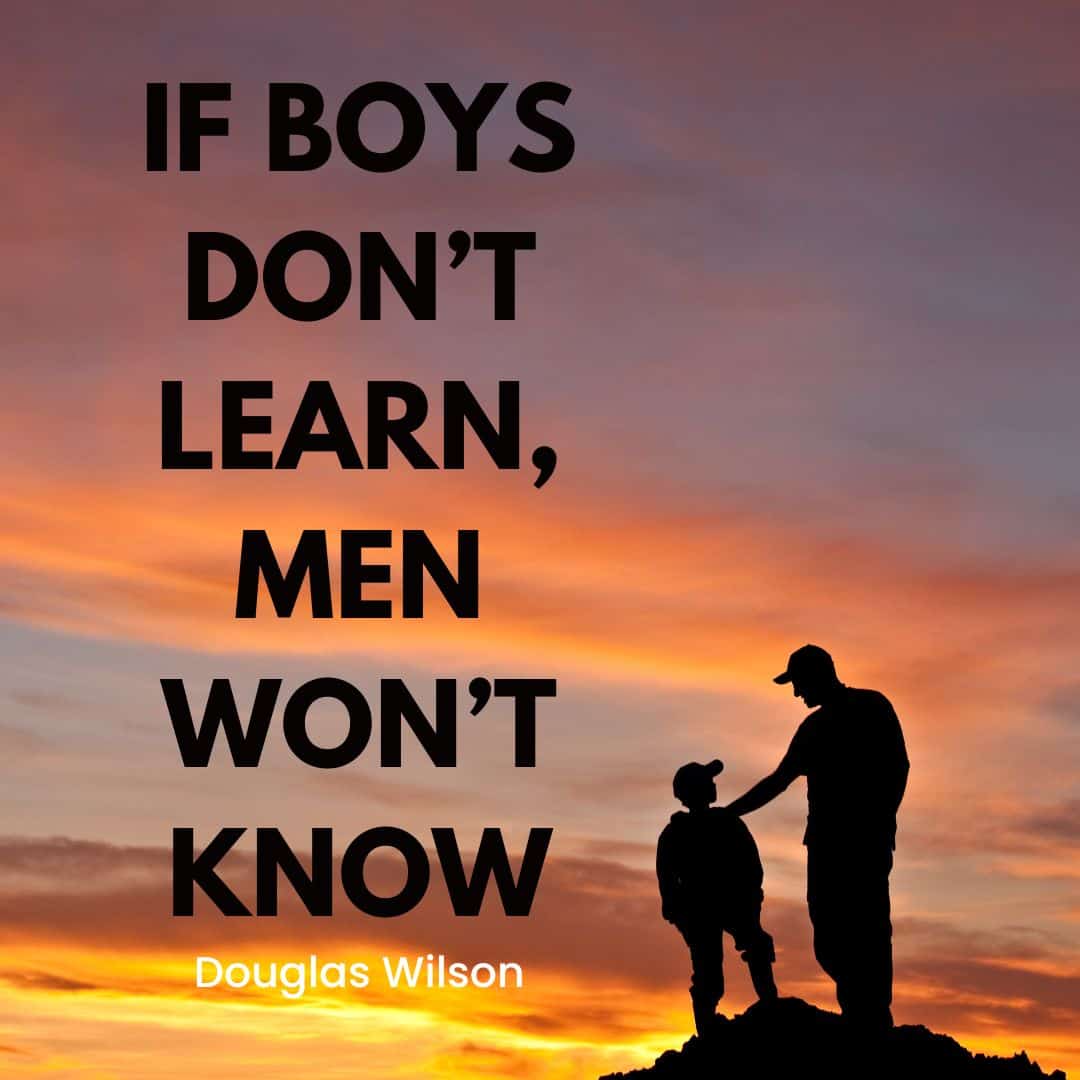
Boys learn about responsibility, respect, and relationships through instruction and daily examples. School matters, but so does what happens at home. Adults who missed these lessons can still learn them; an incomplete childhood education is not a fixed destiny.
School and home teach different parts of life
Literacy, knowledge, collaboration, and critical thinking help a child participate in the world. Home also teaches through repeated interactions: who does the work, whose feelings matter, how disagreement is handled, and whether mistakes can be repaired.
The lesson may be spoken or silent. A father can praise respect while interrupting his partner. A boy can hear that everyone matters while observing that the same person always serves and never rests.
Make respect practical
Teach a boy that other people have preferences, boundaries, and the right to say no. In ordinary situations, model asking permission, respecting privacy, and sharing tasks without treating domestic work as beneath him.
These are human responsibilities, not a test that divides people into real and inadequate men. Mothers and other caring adults also model them.
Teach feelings alongside behaviour
A child can be angry and still be responsible for not hitting. He can be disappointed and still learn to ask rather than demand.
Help him name the feeling, maintain the boundary, and practise what to do next. "Stop crying" does not teach how to manage disappointment. Nor does allowing every action because the feeling is understandable.
Learning continues in adulthood
If nobody modelled an apology, begin with one now. If you inherited contempt towards women or emotional suppression, examine the behaviour rather than defending it as tradition.
You can honour what your family gave you and choose differently where needed. Change does not require humiliating your parents or yourself.
Pick one skill this week: sharing work, listening, accepting a no, or repairing a mistake. Practise it where your child can experience it. Invite him to learn alongside you.
Frequently asked questions
Are boys destined to repeat their fathers' behaviour?
No. Family examples influence learning, but they do not determine every adult choice. Other relationships, reflection, education, and practice can introduce alternatives.
Can mothers teach these skills too?
Yes. Respect, emotional language, responsibility, and care are not exclusive to male teachers. Supportive male examples can add to a child's experience without devaluing women’s care.
How do I teach respect for women?
Model equal dignity in daily interactions, challenge demeaning comments, respect boundaries, and share responsibilities. Connect the principle to actions the child can understand.
What if I never learned emotional skills myself?
Start with one behaviour and seek suitable education or support. You do not need mastery before beginning, but take responsibility for learning rather than making your child teach you.





Member discussion