
Eight Life Paradoxes That Can Change How You Lead at Home

A useful paradox challenges a rule you have been following too rigidly. Strength can include vulnerability. Discipline can create freedom. Admitting uncertainty can improve a decision. These are perspectives to test in daily life, not universal laws or reasons to glorify suffering.
If you keep using more effort to get the same disappointing result, the question may be whether your rule needs updating.
1. Strength can include vulnerability
Being dependable does not require pretending you are unaffected. Saying "I am worried, and I need to think this through" can be more responsible than disguising uncertainty as anger.
Share feelings with an appropriate person. Do not make your child responsible for carrying adult fears.
2. Failure can contribute to success
A setback offers information only when you examine it. Repeating the same mistake while calling it resilience does not make it useful.
After a difficult conversation, ask what you missed, what you controlled, and what you will try differently. Learning is the bridge between failure and improvement.
3. Discipline can create freedom
An agreed routine can reduce repeated negotiations. A simple plan for work, money, or household tasks can leave more attention for people.
The routine should serve the family. If it becomes a tool for controlling everyone, revisit it.
4. Service can bring meaning
Helping someone can take you beyond constant self-evaluation. But service loses its generosity when it becomes a hidden contract for appreciation.
Contribute willingly, name your limits, and ask directly for the support you need.
5. Humility can improve judgment
"I might be missing something" makes room for information. It does not require abandoning your perspective.
Ask your partner what you have misunderstood before delivering the explanation you have already prepared.
6. Courage can coexist with fear
You do not have to feel fearless before apologising, setting a respectful boundary, or seeking help. Choose a manageable action even while discomfort remains.
Courage also includes declining an unsafe or unnecessary risk.
7. Solitude can support presence
Time alone can help you notice what you are carrying. It becomes useful to family life when you return more available, rather than using solitude to avoid every difficult conversation.
Explain the space you need and when you will reconnect.
8. Change can coexist with steady values
Your methods can evolve while honesty, care, and responsibility remain important. A parenting habit inherited from your father is not automatically the only way to honour him.
Choose one rule you often defend with "That is just how I am." Ask what value it serves and whether a different behaviour would serve that value better.
Frequently asked questions
What is a life paradox?
A life paradox is an apparent contradiction that can reveal a useful distinction. It invites reflection rather than proving that both sides are always true.
Does vulnerability mean sharing everything?
No. Choose the person, timing, and detail responsibly. Honest sharing includes boundaries and does not require exposing every thought to everyone.
Is suffering necessary for growth?
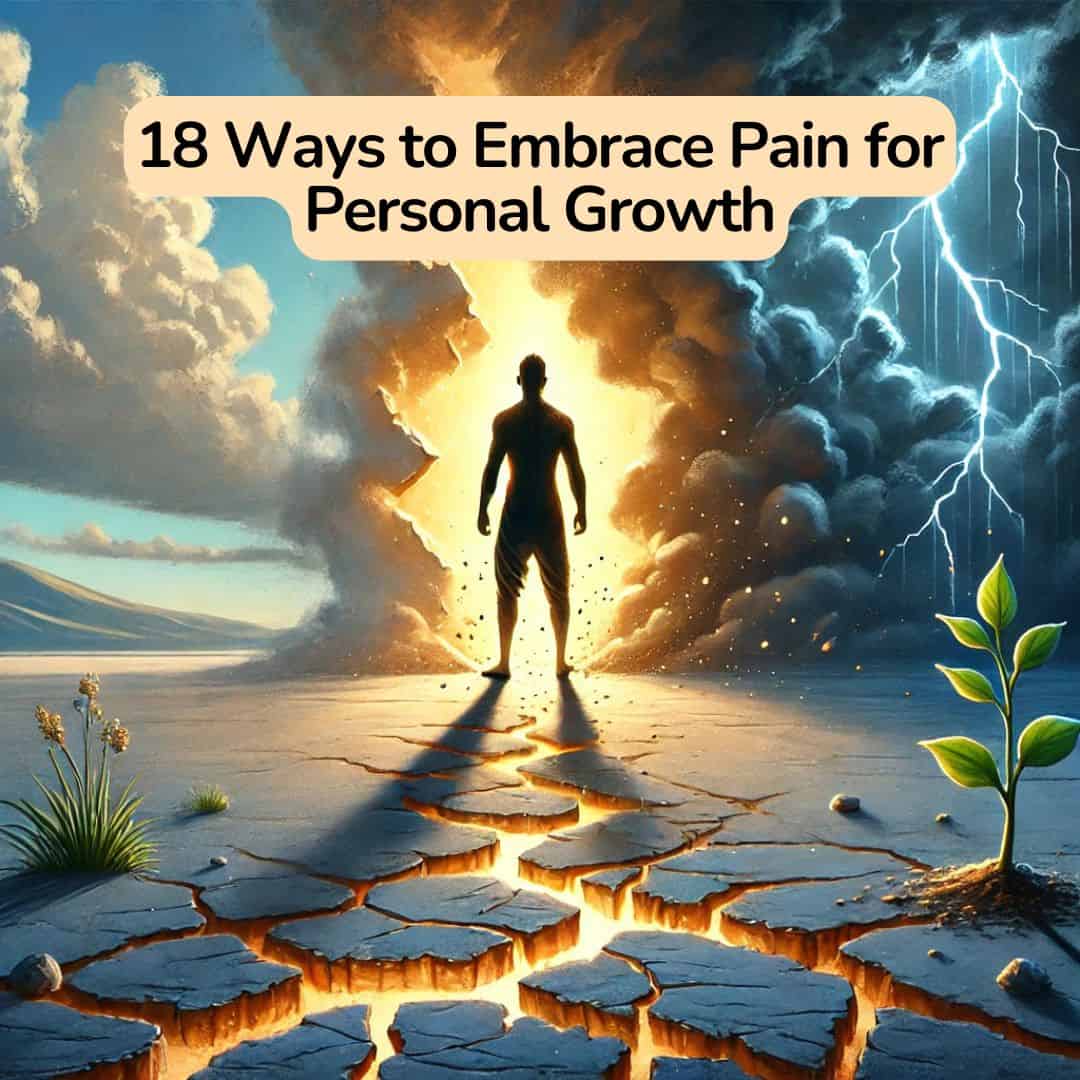
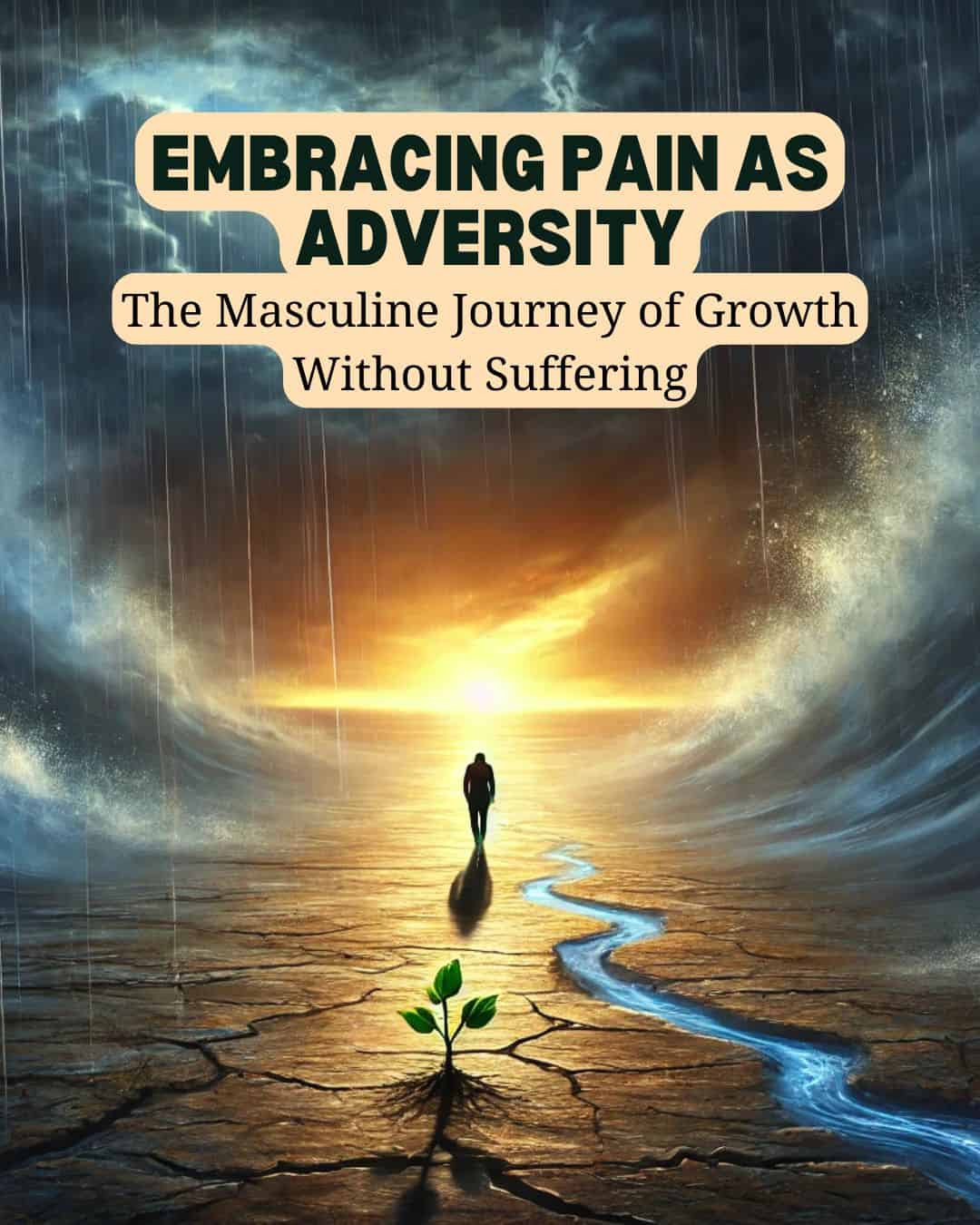
No. Challenges can prompt learning, but harm is not valuable merely because it hurts. Safety, support, and prevention also create opportunities to grow.
How do I apply these ideas without overthinking?
Pick one relevant paradox and one observable action. For example, practise humility by asking a clarifying question before defending your view in today's conversation.



Member discussion