
The Silence After the Door Closes: When Calm Becomes Distance
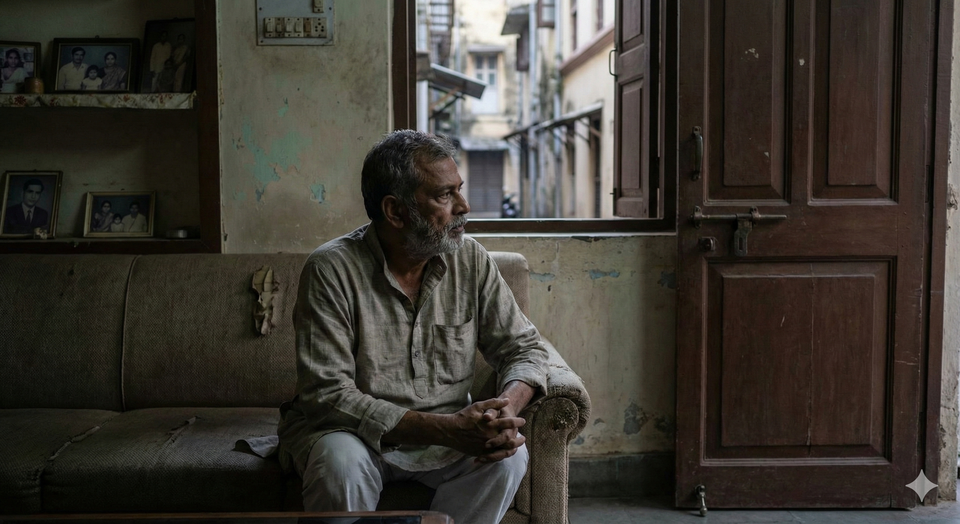
There is a kind of silence that follows a conversation nobody finished. Your body stayed in the room. You answered the practical questions. But the person beside you no longer felt you were reachable.
I used to think staying calm was one of my strengths. At work, composure helped me solve problems and respond under pressure. At home, I began noticing that some of my calm was a way to keep difficult feelings at a distance.
Available for logistics, harder to reach emotionally
I could organise the next step while missing the experience someone was trying to share. My intention was to help. The effect could still be loneliness.
I remember my daughter coming to me upset about a friend at school. She was around six. I reassured her and offered another interpretation: perhaps her friend had not meant it that way.
She nodded and went away. I thought I had helped.
Later, I heard her telling her mother about it and crying again. I could not know every reason she responded differently with each of us. But it made me question how quickly I had moved from her hurt to my explanation.
Had I made enough room to understand before trying to resolve it?
Staying with a feeling without taking it over
Presence does not require a perfect sentence. It can begin with: “That hurt. Do you want to tell me more?” Then allow the answer to change what you think happened.
You can ask whether someone wants listening, advice, or practical help. With a young child, you may need to offer simple choices and wait. A partner may need a different response entirely.
Neither person needs you to perform emotion or agree with everything. They need a reasonable chance to be heard.
A different use of steadiness
When I feel the urge to fix or withdraw, these questions help:
- What did the other person actually say?
- Have I acknowledged the feeling before giving my view?
- Am I quiet because I am listening, or because I have left the conversation internally?
- If I need a break, have I explained when I will return?
Calm can create room for connection when it includes responsiveness. A flat voice and a closed door do not automatically communicate safety.
I am still learning this. Leadership at home asks me to bring my competence and remain open to an experience I cannot immediately solve.
The next time someone stops talking, I can return gently: “I think I moved into advice too quickly. Would you like me to listen again?”
Frequently asked questions
Is quietness the same as emotional withdrawal?
No. Quietness can be attentive and warm. Withdrawal becomes a problem when communication repeatedly shuts down without explanation or return.
Should I stop giving my child advice?
No. Understand first, then offer age-appropriate guidance. Advice works better when it responds to the problem your child actually has.
Can I take a break without abandoning the conversation?
Yes. Explain that you need time, agree on a realistic return, and follow through.


Member discussion