
My Father Taught Me Safety Was Earned

My father never needed to raise his voice. A glance across the table or a pause before responding could carry the message. In my experience, approval and achievement became difficult to separate.
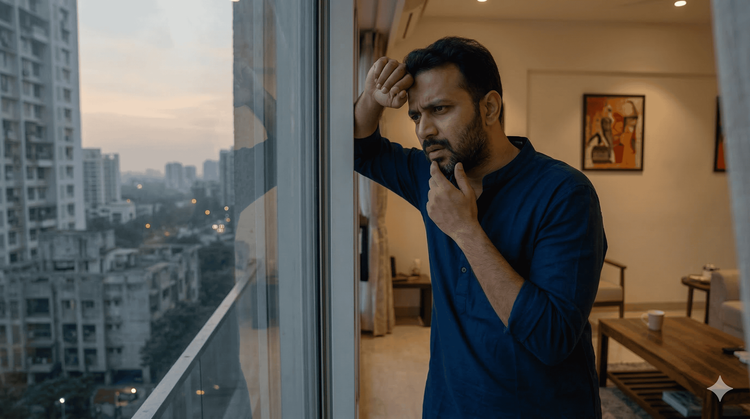
At twenty-six, working alongside him, I watched a man who solved problems and kept moving. I absorbed a quiet curriculum: deliver, contain your needs, earn your place. I thought I was learning discipline. Looking back, I can also see how much fear I carried beside it.
The report card that stayed with me
I remember being nine, bringing home average marks, and feeling the weight of disappointment. Years later, I understood that memory as part of the story I had formed about myself: stay low, stay safe, avoid being measured.
I cannot reduce an adult life to one childhood event. But the meaning I attached to that moment helped me recognise a pattern. I could chase achievement and avoid exposure at the same time, always trying to settle the question of whether I was enough.
Then I heard the pattern in my own parenting
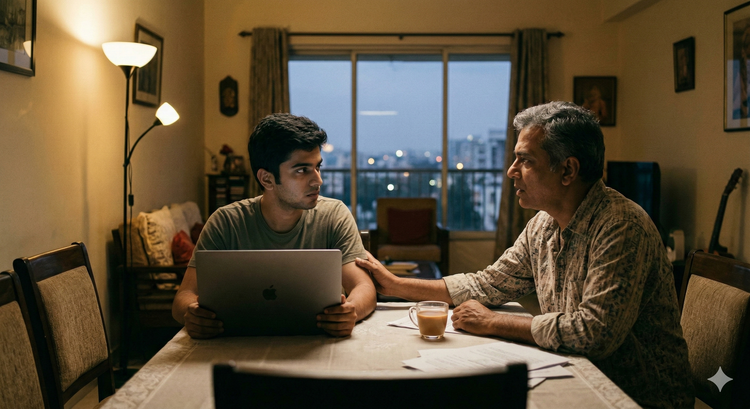
While correcting my son over something small, I recognised the pause and the measuring glance. I was repeating a lesson I did not want to pass on: belonging here depends on getting things right.
I wanted him to feel secure in our relationship even when his behaviour needed correcting. Seeing that distinction did not make it easy to live.
The next day, I still measured myself by output. I still caught myself withdrawing from my wife or filling an evening with tasks. Awareness gave me something to notice; repetition gave me opportunities to practise differently.
Building rhythms instead of another performance goal
I began protecting sleep, making room for a little morning stillness, and giving work a clearer ending. These were ordinary supports, not proof that I had transformed.
I also paid closer attention to what my children experienced: my tone when something broke, my willingness to apologise, and whether rest was allowed without guilt.
One evening, my son spilled a glass across papers I needed. I exhaled, reached for a cloth, and said we could clean it up. I noticed him searching my face. That small moment stayed with me because I had responded differently from the pattern I knew.
The inheritance I want to offer
My family reminder became simple:
- Lead through what I practise, as well as what I teach.
- Correct behaviour without making belonging conditional.
- Ask whether my wife needs listening, practical help, or a solution.
- Repair when my behaviour hurts someone.
I do not know everything my father carried. I can recognise what he gave me and choose what I will do differently without pretending to explain his whole inner life.
I still catch the old reflex. The question that brings me back is: What do I want my children to inherit from this moment?
Frequently asked questions
Does unconditional belonging mean removing consequences?
No. A child can face a proportionate consequence while knowing that affection, basic care, and their place in the family remain secure.
How do I notice performance-based approval?
Watch what happens after mistakes. Do you help your child learn, or become cold until they succeed again?
What if I repeat the pattern after recognising it?
Own the specific behaviour and repair it. Recognition is useful when it leads to repeated changes, support, and accountability.



Member discussion