
Do You Meet the World as Friendly or Hostile?
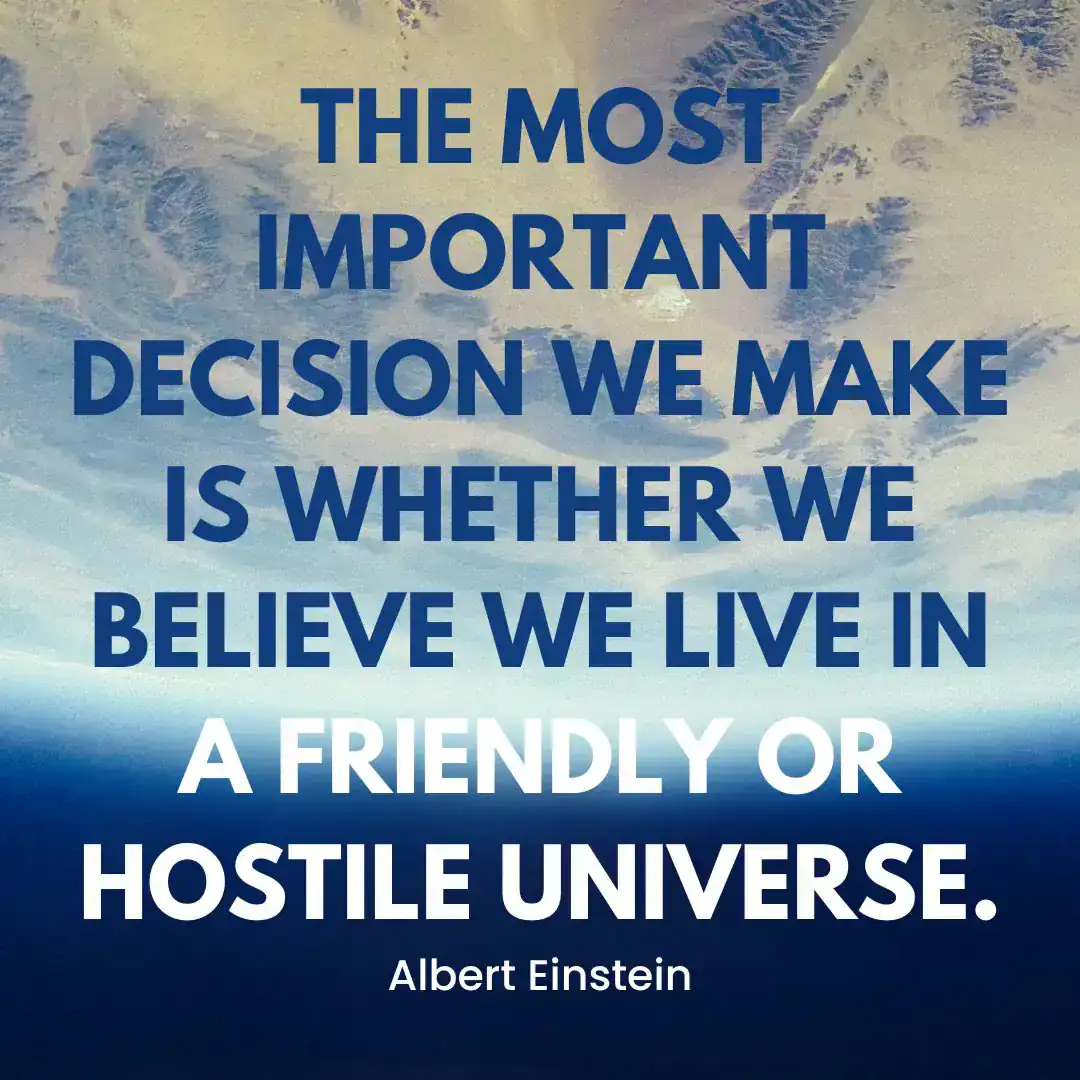
Your expectations influence what you notice and how you respond. If you expect criticism, a question may sound like an accusation. If you expect cooperation, you may ask for clarification first. Neither attitude changes the facts or removes the need to recognise real danger.
The lens between the event and your response
Imagine your partner asks, "When will you be home?" You might hear a practical request, an attempt to control you, or evidence that she wants time together.
The words alone do not establish the intention. Your history and the immediate context matter. Before responding to the meaning you supplied, ask what the question is for.
Openness is different from naivety
A more open stance gives people room to explain. It does not require trusting someone who repeatedly lies, dismissing abuse, or treating every setback as a lesson sent for your benefit.
Use evidence. What did this person do? Is there a repeated pattern? What boundary or precaution fits? You can stay curious and still protect yourself.
How expectations enter family life
If you enter every conversation ready for a fight, your clipped tone may make a neutral exchange more tense. That does not make you responsible for everything another person does. It identifies one influence you can examine.
Try replacing "Here we go again" with "I do not yet know what this means." Then listen for the specific request.
The same distinction can help with work and creative decisions. Believing exploration is possible may encourage an experiment. It cannot guarantee acceptance or success.
A practical test of your interpretation
Write down a recent interaction in three lines:
- What I directly observed.
- The intention I assumed.
- What I could ask or check.
If the evidence supports a serious concern, act on it. If several interpretations remain possible, do not punish someone for the one you fear most.
Your perspective is a tool for seeing. Keep checking whether it is helping you see clearly.
Frequently asked questions
Does a positive attitude change reality?
It can influence attention and behaviour, but it does not control events or other people. Pair hope with evidence, practical action, and appropriate boundaries.
Should I assume good intentions in every disagreement?
No. Remain open where the evidence is uncertain, while taking harmful behaviour seriously. Clarifying intention should not become an excuse to ignore impact.
How can I stop automatically hearing criticism?
Separate the words from your interpretation and ask a specific clarifying question. You can acknowledge your reaction without treating it as proof of the other person's motive.
Is this an Einstein quotation?
The earlier article attributed the friendly-or-hostile-universe idea to Einstein without a verified primary source. This rewrite treats the idea as a reflection rather than relying on that attribution.





Member discussion