
The Shallows: A Family-Life Reflection on Nicholas Carr's Argument
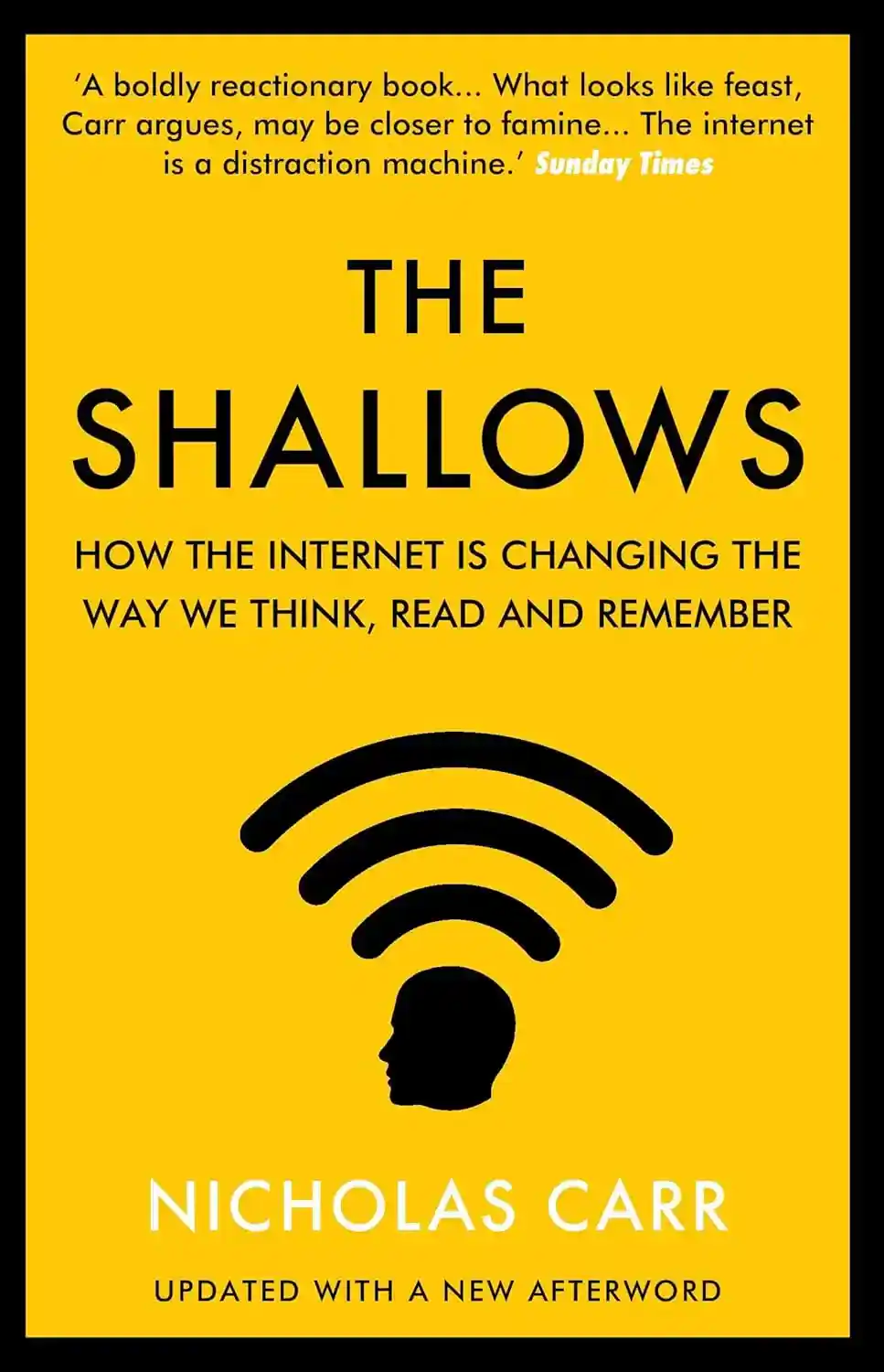
In The Shallows, Nicholas Carr examines how internet use may shape attention and our capacity for sustained reading and thought. The book invites a question relevant at home: what kind of attention are you practising, and is it the kind your family needs from you?
This is a focused reflection on the book's central concern, not a complete summary or a claim that a particular device habit has damaged your brain. The author's book page introduces the work and its argument.
Skimming has a purpose; depth needs room too
Scanning a message or finding a fact quickly can be useful. The difficulty is using that same mode everywhere: half-reading your child's story, looking for the conclusion of your partner's concern, or switching away whenever an explanation takes time.
You do not need to reject the internet to notice those habits. Ask whether your current environment supports the attention required by the task.
Try an attention experiment
Choose something you want to understand rather than merely finish: a chapter, a thoughtful article, or a conversation.
Put competing notifications aside for a realistic interval. Stay with one thing. Afterwards, write or say what you understood before reaching for the next input.
If your attention drifts, return without making it a judgment on your character. Notice which interruptions were avoidable and what arrangement helped.
Bring the distinction home
A child does not always tell a story efficiently. A partner may need to work out what they mean while speaking. Listening for the person requires different attention from extracting a headline.
Try asking one follow-up question before offering advice. Let the conversation have a pace that serves understanding.
Avoid turning a concern into a diagnosis
Difficulty concentrating can have many explanations. A reading experiment cannot identify the cause of persistent problems, and a short digital break should not be described as a guaranteed cognitive reset.
The earlier article included a named success story whose provenance was not established. It is not retained as evidence here.
Tonight, choose one activity you want to experience without competing inputs. Observe the difference rather than predicting a transformation.
Frequently asked questions
What is the central question in The Shallows?
Carr explores the internet's influence on how people think and attend, including sustained reading. This reflection applies that concern to everyday family attention.
Is all online reading shallow?
No. The task, material, environment, and way you engage matter. The useful distinction is between modes of attention, not simply paper versus screen.
Will a digital break fix my concentration?
It may help you observe and reduce distractions, but it does not establish a cause or guarantee a remedy. Persistent difficulties deserve appropriate professional advice.
How does this apply to parenting?
Notice whether you give your child enough uninterrupted attention to understand their experience. Practise listening without demanding that every story reach its conclusion quickly.



Member discussion