
Intentional Rest: When Doing Less Helps You Show Up More Fully
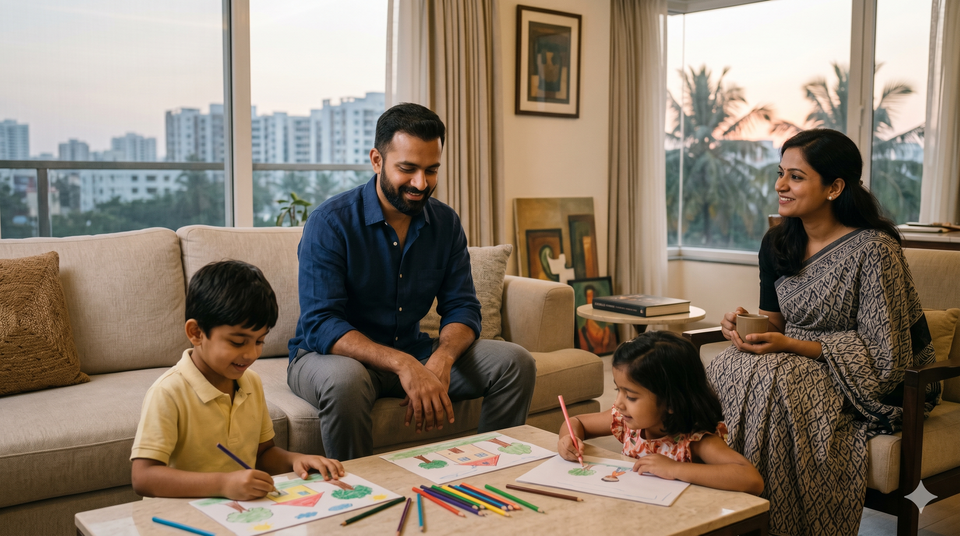
Intentional rest creates a break from demands and constant input. It may include quiet, a gentle walk, or sitting with someone without an agenda. It is different from neglecting responsibilities or withdrawing indefinitely from a conversation that needs attention.
Notice the pressure to remain useful
You sit down and immediately begin calculating what else should be done. If your worth feels tied to productivity, rest can feel like failure even when you are exhausted.
Ask whether there is an urgent need or an internal rule that you must always be working. Both deserve attention, but they require different responses.
Make rest fair and realistic
Discuss who is carrying the immediate tasks. Your recovery should not depend on another person never getting theirs.
Choose a manageable interval rather than an ideal routine the family cannot support. If the workload leaves no room for anyone to recover, the arrangement itself needs review.
Separate reflection from replaying an argument
A short reflection asks what happened, what you contributed, and what to do next. Rehearsing a prosecution of your partner for half an hour may leave you more ready to fight.
If stillness is uncomfortable, choose a simple activity that helps you settle. You do not have to force meditation or a perfectly empty mind.
Be with people without improving the moment
A quiet drink together or unhurried time beside a child can offer companionship without a programme. Ask whether that is welcome. Silence can feel connecting in one moment and distancing in another.
With children, stepping back can allow age-appropriate exploration. Stay attentive to safety and offer help when needed; non-intervention is not always the right response.
Today, arrange one small period of rest or unhurried company. Let it matter even if it produces no insight, improved performance, or story worth sharing.
Frequently asked questions
Is rest useful only if it makes me more productive?
No. Recovery and enjoyment have value beyond output. You do not have to turn every pause into another performance target.
How is rest different from avoidance?
Consider whether you communicate the break and return to necessary responsibilities. Avoidance repeatedly leaves the issue or work unaddressed.
What if sitting still makes me restless?
Try a gentle, ordinary activity or external point of attention. Choose what is comfortable rather than forcing a particular exercise.
Should I stop helping my child solve problems?
No. Consider age, safety, and what support is needed. Offer room to try where appropriate without treating independence as a reason to withhold necessary help.





Member discussion