
Vulnerability in Marriage: Letting Yourself Be Known With Care
Vulnerability means sharing something that feels personally exposing, such as uncertainty, hurt, hope, or a need for support. It can make understanding possible in a trustworthy relationship. It is not a technique that guarantees intimacy, agreement, or a safe response from everyone.
Begin with one clear truth
You do not need a dramatic confession. "I am worried about work and have been keeping it to myself" may be enough to begin.
Ask whether the other person has capacity to listen. Say what kind of support would help: company, a practical discussion, or a few minutes without advice.
Share your experience without assigning a motive
"I felt alone after that conversation" is different from "You wanted me to suffer." The first describes something you can discuss. The second treats an interpretation as established fact.
You can still name harmful behaviour and set boundaries. Careful expression does not require minimising what happened.
Responsibility belongs beside openness
If you hurt someone, sharing your insecurity does not replace the apology. Your fear may explain the context; the behaviour still needs ownership and change.
Likewise, your partner does not have to agree with a decision because it was difficult for you to discuss. Vulnerability invites understanding, not an obligation to approve.
Keep adult burdens with adults
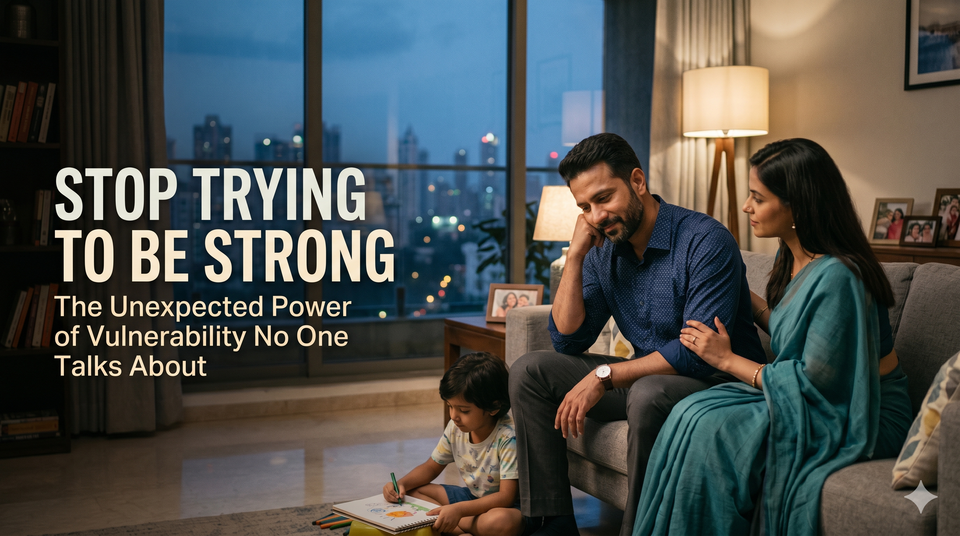
Children can see that a father has feelings and asks for support. Keep disclosures age-appropriate and reassure them about what the adults are handling. Do not recruit a child as your confidant about marital conflict or financial panic.
Choose safety and pacing
If personal disclosures are used against you, do not assume you simply need to share more. Consider boundaries and appropriate individual support.
For one conversation this week, name a feeling and a request without demanding a particular response. Notice whether the exchange allowed both people more understanding and choice.
Frequently asked questions
Is vulnerability the same as oversharing?
No. Useful sharing considers the listener, purpose, timing, and level of detail. You can be honest while retaining privacy and boundaries.
Does vulnerability guarantee trust?
No. Trust also depends on behaviour, reliability, safety, and how disclosures are received. Openness should not be used as a promise of a particular outcome.
How can I be vulnerable during conflict?
Describe the feeling or need beneath your position without abandoning responsibility. For example, explain that you felt excluded and ask how decisions can include both of you.
What can I share with my child?
Use age-appropriate language about a feeling and what you are doing to handle it. Keep responsibility for adult problems with adults.





Member discussion