
The “Nice Guy” Pattern: When an Honest No Would Be Kinder
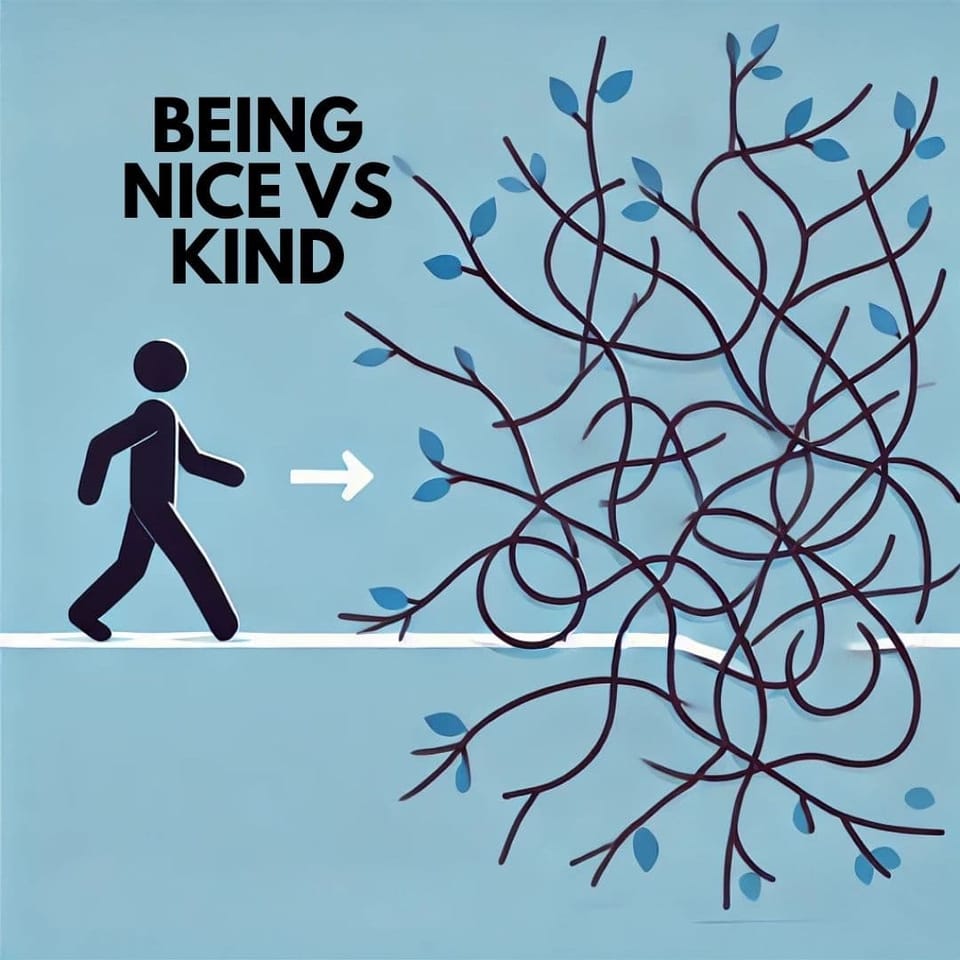
Being kind is not a problem. Repeatedly saying yes while hiding your limits can become one. The pattern to examine is whether you give freely or agree mainly to avoid disapproval, then resent people for not recognising a need you never expressed.
Notice the unspoken agreement
You take on another task while exhausted. Somewhere inside, there may be a hope: "If I do enough, they will finally notice how much I need."
Wanting appreciation is understandable. The difficulty is expecting another person to honour a contract they did not know existed.
That does not excuse someone exploiting you. It identifies a place where clearer expression may help you protect your capacity.
Pause before the automatic yes
Ask what the request requires, what you already owe, and whether you actually have capacity. You can say: "Let me check before I commit."
A generous answer is not always yes. Taking on work you cannot complete may let people down more than an early, respectful limit.
Say what you can offer
"I cannot do that this week. I can help for half an hour on Saturday." Offer an alternative only if you mean it.
In a marriage, distinguish an optional favour from your share of responsibility. A boundary should not become a sophisticated way of leaving essential family work to someone else.
Ask directly rather than building resentment
Try: "I need more rest and a fairer division of this task. Can we work out ownership?" Or: "I would appreciate acknowledgment of the effort I have been making."
The other person may be disappointed. Disappointment does not automatically make the boundary wrong. If expressing a limit could place you in danger, seek appropriate support rather than treating confrontation as a confidence exercise.
For one request today, give yourself time to choose an honest answer. Keep the kindness; remove the hidden promise.
Frequently asked questions
Is being nice the same as being manipulative?
No. Do not assume motive from someone being agreeable. Examine specific behaviour, especially concealed expectations or using guilt to obtain a response.
How can I say no without being rude?
Be clear, brief, and respectful. Explain the practical limit where useful, without attacking the request or inventing an excuse.
Do I have to say no whenever I do not feel like helping?
No. Responsibility sometimes requires effort despite reluctance. Distinguish shared obligations from optional commitments and make fair decisions about both.
What if someone reacts badly to my boundary?
Consider whether the request and boundary are fair, then respond proportionately. You cannot guarantee approval. Threats or retaliation require attention to safety, not better wording alone.





Member discussion