
Providing and Being Present: Two Parts of Fatherhood
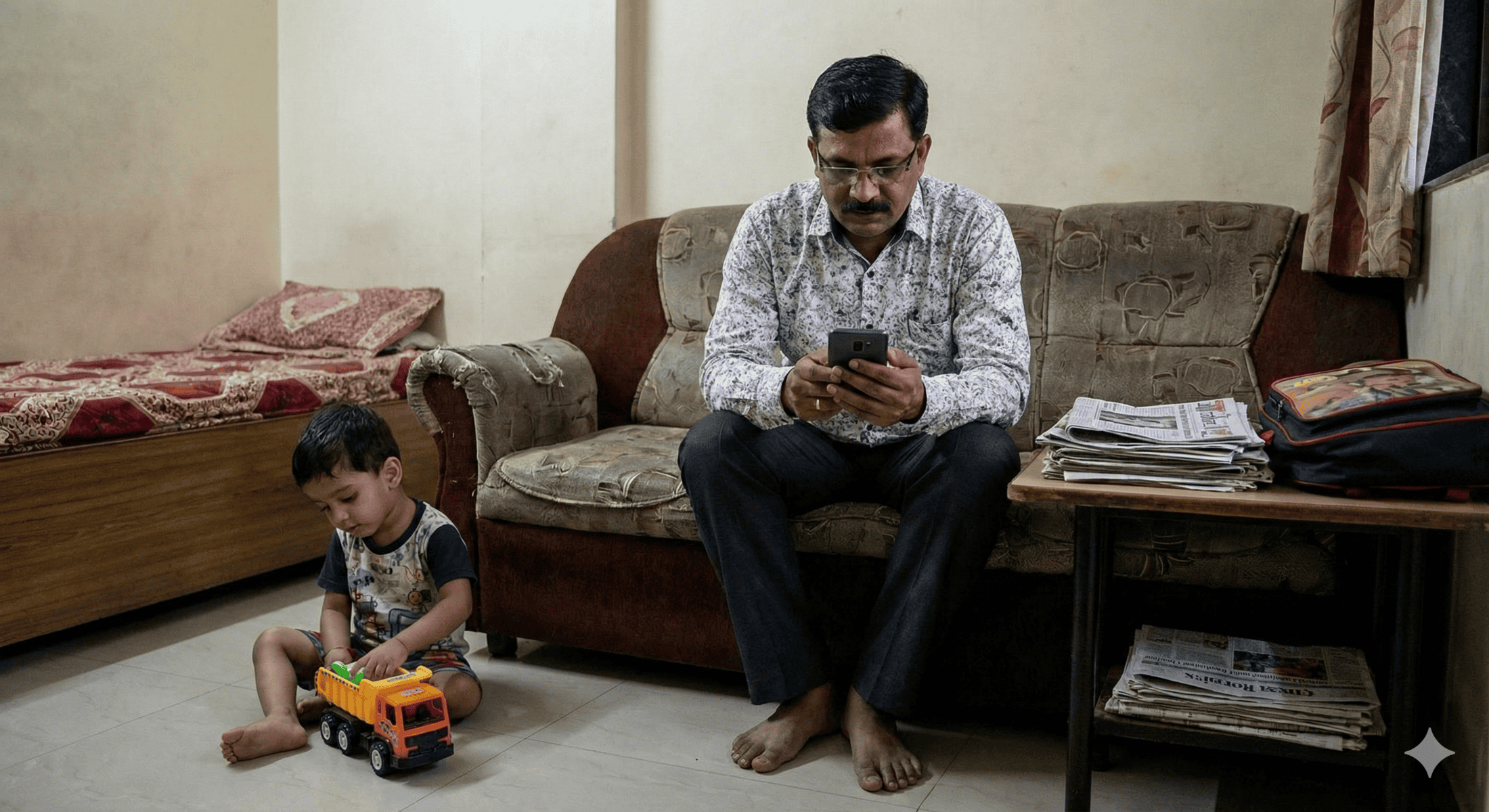
Providing matters. So do the responses your child receives when they are confused, frightened, or have made a mistake. Fatherhood asks for material care and emotional availability; one does not cancel the other.
I once understood my role mainly through solving problems and keeping the structure standing. I am still learning how to bring that reliability into a conversation where the first need is to be heard.
Can your child come to you before the problem is solved?
Imagine your child calling because something has gone wrong. Your first impulse may be to ask why they ignored your advice. There may be a necessary conversation about responsibility. But an urgent problem needs a useful sequence.
First establish immediate safety. Then understand what happened and what help is needed. Discuss choices and consequences when your child can take part in the conversation. An immediate safety instruction cannot always wait, but a lecture usually can.
Presence is responsive, not all-knowing
You do not need to predict every difficulty or know what your child feels before they speak. Ask. Check your assumptions. Learn what they can manage independently and where support is useful.
A present father might say: “Tell me where you are and whether you are safe. We will work out the next step.” Later: “Let's talk about how this happened and what you will do differently.”
Warmth and accountability can share the same relationship.
Five ways to make availability concrete
- Keep one regular window of attention without a phone.
- Follow up on something your child told you, without interrogating.
- Let them finish before you explain your view.
- Repair a harsh response rather than relying on their forgetting it.
- Give them room to practise decisions suited to their age and circumstances.
Work hours, separation, disability, and financial pressures affect what time is available. Presence is not measured by constant access. Predictable contact, honest limits, and keeping commitments matter within the life you actually have.
Support capability as well as closeness
Your child should not need to depend on you for every solution. Ask, “What have you tried?” and “What help would be useful?” Offer guidance without taking over automatically.
The question I want to keep asking is simple: alongside what I provide, what is it like for my child to need me?
Frequently asked questions
Can I be present if I work long hours?
Yes. Make the time you can offer predictable and attentive, and be honest about availability. Also examine whether any avoidable work demands can change.
Does connection come before every consequence?
Immediate safety limits may need to come first. Where possible, understand and settle the situation before a longer discussion about responsibility.
How is presence different from overprotection?
Presence offers support while building age-appropriate independence. Overprotection repeatedly removes opportunities to practise it.





Member discussion