
When Protecting My Son Became Restricting His Life
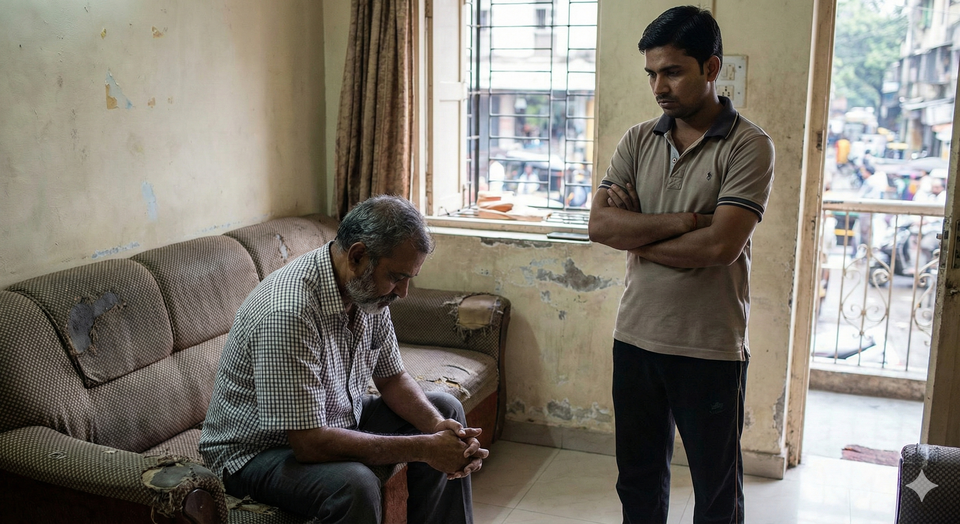
My son was seven when an older cousin repeatedly pushed him around at family gatherings. He came to me for help. I separated him from that situation and set a boundary. Protecting him from bullying was necessary.
The difficulty was what happened afterwards. My instinct to keep him safe extended beyond that particular threat. I also kept him from joining neighbourhood children who gathered in the evenings.
The loss I had not seen
When he was nineteen, he told me how much he had wanted to belong to that group. Those children had grown up together. He had watched from outside.
I recognised something from my own childhood: I had also grown up without the circle of friends I wanted. I had treated that experience as tolerable and repeated part of it without asking what it was costing him.
My intention to protect him did not cancel the restriction he experienced.
The apology needed more than my explanation
I told him about the pattern I could see in myself, and that I was wrong to let an appropriate protective response become a general rule against participation.
Explaining my history was useful only if it helped me own the choice. It could not become a reason for him to comfort me or minimise his loss.
I could not return those years or promise entry into an established friendship group. I could change how I related to his independence now.
From permission to adult respect
At nineteen, he needed recognition as a young adult, not an indefinitely extended childhood. We moved towards greater freedom and practical communication about safety.
I also wanted him to take care in social situations. That responsibility belongs to everyone: respect consent, look out for friends, plan travel, and seek help when necessary. It should not be framed as one person's duty to control or rescue others.
Reassess protection as your child grows
Ask what risk you are responding to, whether a narrower boundary would address it, and what skills your child needs to participate more safely. Supervision, agreed check-ins, and gradual independence can be more useful than blanket exclusion.
Some restrictions remain necessary. The point is to assess them against present circumstances rather than letting an old fear make every new decision.
That conversation reminded me that repair includes hearing a loss I cannot undo. It also includes changing the relationship we still have time to build.
Frequently asked questions
Was stopping bullying the mistake?
No. The mistake was extending protection from a specific harmful situation into broader restrictions without reassessing them.
How can I protect a child without isolating them?
Address the actual risk, teach relevant skills, and use proportionate supervision. Review the plan as their age and circumstances change.
Can an apology repair missed opportunities?
It cannot restore the past. It can acknowledge the loss, reduce defensiveness, and support different choices now.


Member discussion