
What My Son Taught Me After a Training Program in 2011

In 2011, my son was seven. I had attended an immersive training program and wanted him to experience something I believed would help. I took him to a full-day children's event.
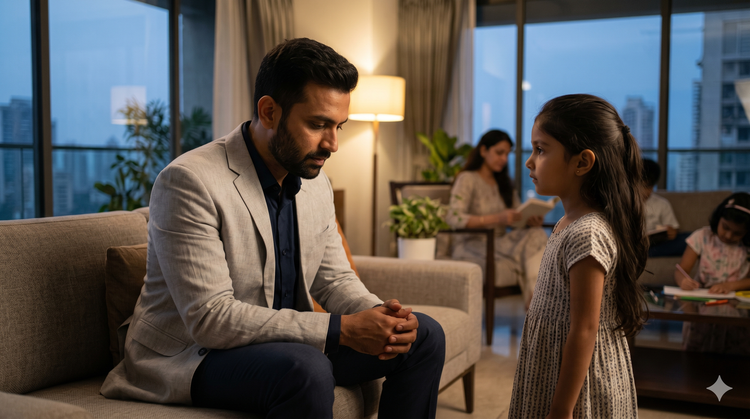
Towards the end, other children went on stage and expressed love for their parents. I waited for my son to do the same. He did not.
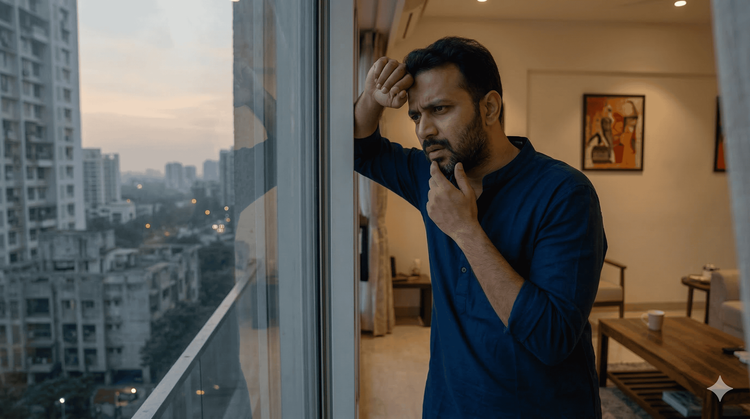
Later, at home, he told me he would never talk to me. I was blindsided. I had understood the day as a gift. His response told me his experience had been different.
What I know, and what I do not
I never established exactly what had happened for him that day. I cannot honestly claim that a particular exercise revealed a particular truth, or that I know why he became quiet.
What I can say is that the event challenged my certainty about my good intentions. Wanting something to help my child did not mean it had helped him. My expectation of a public expression of love also deserved examination.
Fourteen years later
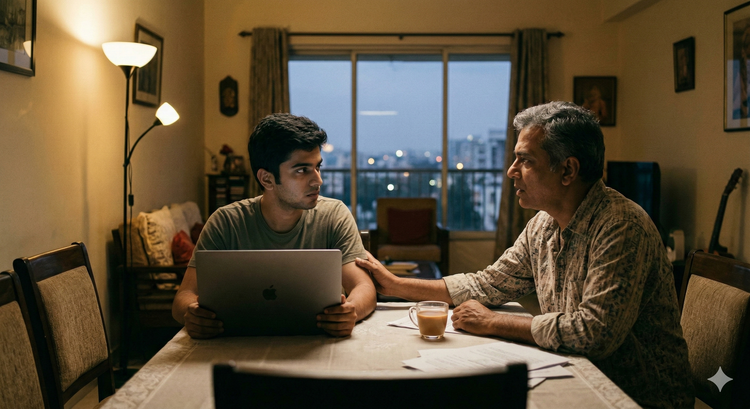
At twenty-one, my son told me that he saw me as a good man, while acknowledging that for a long time he had not held that view. I received that as honesty, not as a verdict I needed to debate.
I cannot compress those years into a neat claim that one change in me caused a particular change in him. Relationships develop through many experiences. His words did reinforce the importance of how I behaved between the conversations I considered important.
The daily example matters
Children hear our explanations and observe our actions. They can notice whether we repair, how we handle frustration, and whether kindness disappears when we are disappointed.
That does not make them infallible judges of our character. It means a lecture is only one part of what they learn from us.
Before choosing a program or intervention for a child, I would now ask more questions: Is it appropriate for their age? What happens during the day? Can they decline an exercise or leave? Are public emotional disclosures expected? What support is available if they are distressed?
Afterwards, I would make room for their own account without demanding gratitude or a performance of closeness.
My practical lesson is to look beyond what I intended to give and ask what my child actually experienced. Then keep doing the ordinary work of being someone they can speak to honestly.
Frequently asked questions
Should a child be expected to express affection publicly?
No. Affection should not become a performance required to reassure a parent or satisfy an event.
What should I do if my child withdraws after an event?
Offer calm contact, ask open questions without pressure, and attend to safety concerns. Seek qualified guidance if distress persists or you suspect harm.
Does this story establish what happened at the program?
No. The specific cause was not established. The reflection concerns parental expectations, listening, and everyday behaviour.


Member discussion