
I Scolded My Son to Protect My Own Image

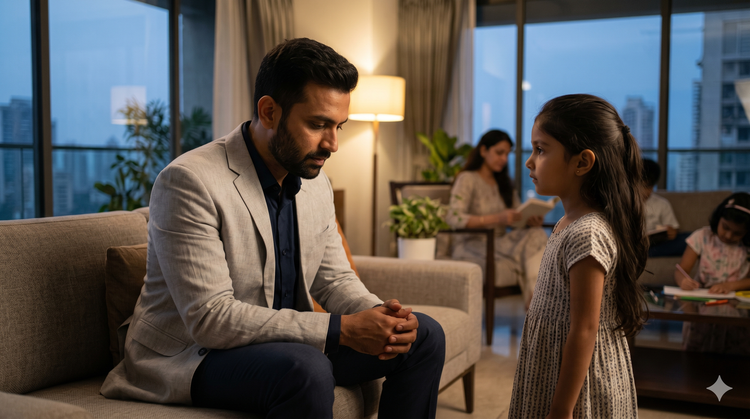
My son was eight. We had guests at home, including an elderly relative who asked him a question. My son answered, “I don't know.”
The relative responded loudly, questioning why he did not know. Everyone could hear. I felt the pressure to demonstrate that I was taking the criticism seriously.
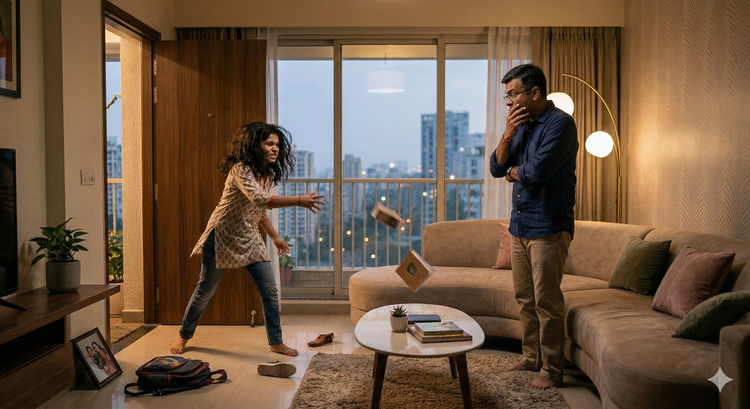
I scolded my son in front of them.
The person I was trying to protect
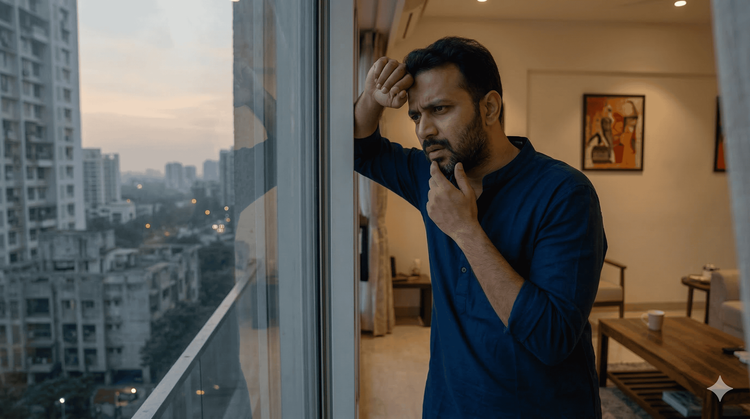
Looking back, I recognise how concerned I was about being judged as a father. I reacted to the room's expectations instead of attending to the child standing in it.
I do not remember my exact words. I remember enough to know that joining in the embarrassment was unfair. A child should be allowed to say they do not know something without being made into entertainment.
The meaning of that moment became clearer to me much later. When I eventually raised it with my son, he did not respond with the weight I had expected. His experience was his to describe. I did not need to insist he was secretly wounded in order to acknowledge my own behaviour.
Respect without a public trial
Respect for an older relative does not require permitting ridicule. A calm interruption could have protected dignity without escalating the encounter: “It's okay not to know. Let's leave the questions there.”
If a genuine concern needs discussion, move it out of the audience. Hear your child's account before forming a conclusion. Protecting dignity is compatible with addressing something they actually did wrong.
Three words that helped me respond differently
“Let me check.”
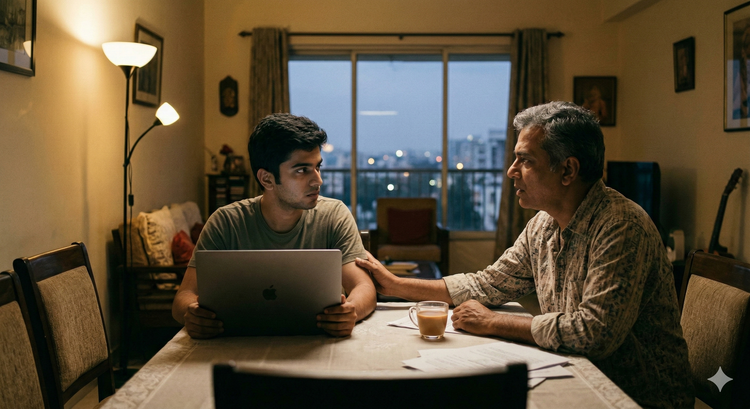
Years later, when a professor called with a concern about my son, I used that pause: I would speak with him and come back. I did not need to perform parental seriousness by delivering an instant verdict.
The conversation could then happen privately, with more information and less defensiveness.
This approach has limits. If someone is in immediate danger, intervene promptly. Otherwise, a short pause can prevent your anxiety about an audience from becoming your child's punishment.
The question I want to remember
Am I responding to what my child needs to learn, or to how I think this makes me look?
That question does not remove accountability. It puts accountability in the right place, including mine.
Frequently asked questions
How do I respond when a relative mocks my child?
Interrupt calmly and clearly: “We are not going to make fun of them.” Redirect or leave the situation if it continues.
Should I automatically defend everything my child does?
No. Protect their dignity, establish what happened, and address behaviour fairly. Defence against humiliation is not exemption from responsibility.
What if my child does not remember an incident I regret?
Do not pressure them to share your interpretation. Offer a proportionate acknowledgement and demonstrate the change in current behaviour.

Member discussion