
What I Found Beneath Some of My Anger

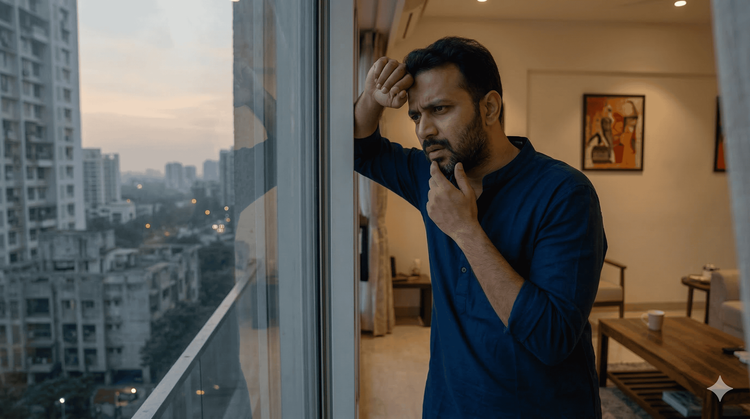
I began noticing a pattern in my anger. When someone broke a rule or challenged me, I could experience it as more than disagreement. It felt as though I was being made wrong as a person.
As I learned to pause before responding, I could sometimes recognise fear beneath that reaction: fear of being disrespected, losing control, or having my identity questioned.
A personal pattern, not an explanation for every angry person
Anger can relate to fear, hurt, exhaustion, injustice, or a boundary being crossed. It is not always a disguise for another feeling. My task was to understand my own experience rather than turn one insight into a universal rule.
On the road, another driver's dangerous manoeuvre could trigger a familiar argument inside me: I follow the rules, so why don't they? The actual danger mattered. The additional story about my personal worth made it harder to respond usefully.
I could keep my standards without needing an unknown driver to validate me.
When the threat was real
I also experienced threats during a dispute involving unpaid rent. Fear in that situation was not merely an irrational interpretation. There was a practical safety issue.
Pausing helped me avoid an impulsive response. It would be wrong to treat waiting silently as a general solution to threats. Appropriate safety measures and qualified local support matter when a situation escalates.
The lesson I took was about choosing a response with more care, not abandoning protection or assuming composure would make danger disappear.
A pause with a purpose
When anger rises, I can ask:
- What happened, without my interpretation added?
- Is there an immediate safety issue?
- What am I afraid this means about me?
- What action would protect what matters without causing avoidable harm?
Sometimes the next action is a clear boundary. Sometimes it is leaving the exchange, asking for help, or returning to a conversation after a break. Breathing comfortably may help me pause; it does not decide the problem for me.
Responsibility stays with my behaviour
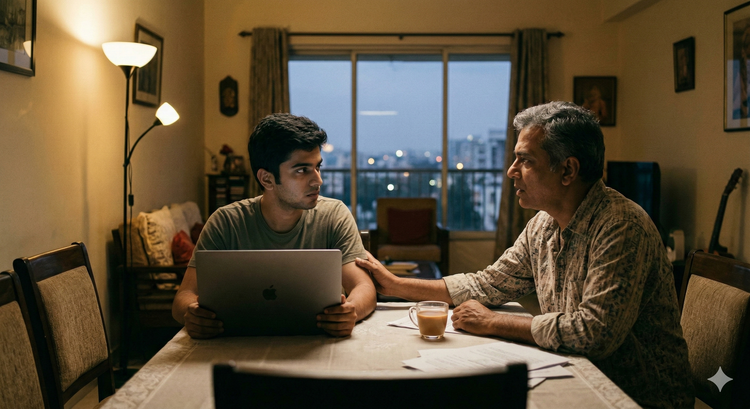
Finding fear beneath anger does not excuse frightening my family. I remain responsible for my voice, words, and actions. If anger repeatedly becomes intimidation or aggression, insight needs to be followed by appropriate support and sustained change.
I do not need to prove I am right in every encounter. I need to respond in a way I can stand behind later.
Frequently asked questions
Is anger always fear?
No. Fear was important in the author’s experience, but anger has many possible contexts and contributors.
Does pausing mean accepting unfair treatment?
No. A pause can help you choose a firmer, safer boundary rather than an impulsive reaction.
What if someone threatens me?
Treat the threat as a practical safety concern and seek appropriate local assistance. Emotional regulation is not a substitute for protection.



Member discussion