
When My Son Would Not Tell Me Why He Wanted to Quit Tabla

When my son was six, his tabla teacher praised his ability and spoke positively about his future. I felt proud.
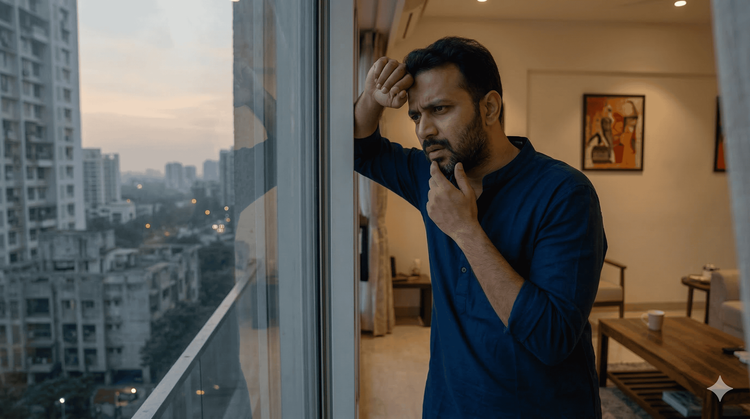
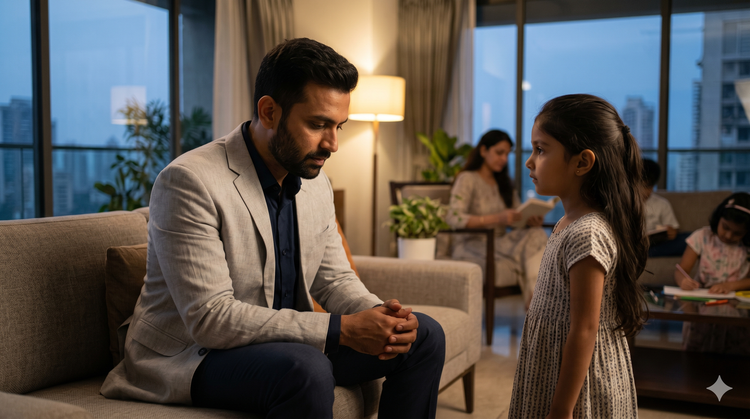
Then my son refused to attend. We skipped a class, but the next week he still would not go. When I asked why, he said he would not tell me. He did not want to tell his mother either.
The refusal unsettled me more than the missed lessons. I had promised myself that my children would not experience the fear I remembered from my own strict upbringing. I had assumed that being a safer father meant my child would tell me what was wrong.
The stories I made in the silence
I wondered whether someone had hurt him, whether something had happened in class, or whether he was afraid. I asked the teacher, who did not know. In other areas of life, my son seemed himself.
Years later, when he was around thirteen, we asked again without the same urgency. He told us that one of the teacher's dogs had approached and licked him. It had frightened him enough that he did not want to return.
What I had not imagined turned out to matter to him. The reason was not trivial simply because an adult might have experienced it differently.
The expectation I needed to examine
Part of my disappointment had been about access: if I was a loving father, why would he not tell me?
A child may need time, lack words, want privacy, or be unsure how to explain. Silence does not automatically mean rejection or a failure of the relationship.
My anxiety could easily turn curiosity into pressure. His disclosure was not a test he needed to pass to reassure me that I was a good father.
Patience alongside safeguarding
Respecting a child's pace does not mean ignoring possible danger. Take a significant change seriously, ask calm open questions, and assess whether the setting is appropriate. Seek qualified help when there are concerning signs or suspected harm.
You can say, “You don't have to explain everything now. I want to understand, and you can tell me if something felt scary.” Avoid leading questions or repeated demands for an answer.
In our story, the explanation came years later. That is not a timetable another family should copy. What I want to carry forward is a steadier distinction: my child's need for support and my desire for reassurance are not the same need.
Frequently asked questions
Does a safe relationship mean my child will tell me everything?
No. Privacy, development, language, and timing also affect what a child shares.
Should I wait indefinitely when a child refuses an activity?
No. Explore calmly, check the environment, and respond to safety concerns. Patience should sit beside active care.
How can I ask without interrogating?
Use one open invitation, listen without suggesting answers, and allow space. Follow up proportionately rather than making disclosure a condition of your warmth.

Member discussion