
Letting My Child See My Grief Without Making It Her Job

In 2018, I lost my mother. One day, I was sitting at my desk, present in body but absorbed in grief.
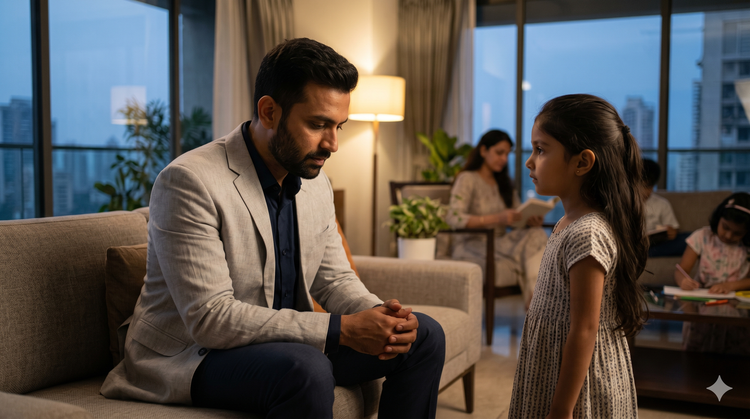
My ten-year-old daughter came in and said she would be my mother from then on.
Her offer was loving. It also brought something into focus for me: I needed to receive her affection without allowing her to take on a role that was not hers.
Keeping the relationship clear
I told her gently that she did not need to do that or take that role.
I did not need to hide the fact that I was sad. I needed to remain the parent while I was sad. A child can offer a hug, sit beside us, or share a memory. They should not become responsible for replacing someone we lost or keeping us emotionally stable.
One tender sentence from a child does not establish a harmful family pattern. The risk is in allowing the responsibility to become ongoing: expecting the child to monitor our mood, put aside ordinary needs, or act as our main confidant.
A response that receives love and releases responsibility
A parent might say: “Thank you for caring about me. I miss her, and I am sad. You don't have to make the sadness go away. I have grown-ups who can support me.”
Then make that last sentence true. Seek adult company, practical assistance, grief support, or professional care when needed. A child should not have to carry what adults are not getting help with.
Let grief be understandable
Use language suited to the child's age. Answer questions honestly without unnecessary detail. Keep ordinary care and routines as predictable as possible, and explain changes they will notice.
Avoid implying that being cheerful or perfectly behaved will make you better. Make it clear that they can play, laugh, feel upset, and need attention even while you are grieving.
What I want my daughter to know
Her love mattered. Her childhood mattered too.
Being emotionally honest with a child is compatible with maintaining a boundary around adult responsibility. I can let her see me as human while making sure she knows she is still free to be my daughter.
Frequently asked questions
Is it harmful for my child to see me cry?
Seeing a parent grieve is not inherently harmful. Offer age-appropriate explanation and reassurance that adults are responsible for support and care.
Can I accept comfort from my child?
Yes. Receive affection without making it necessary for your wellbeing or asking them to become your main emotional support.
What if my child worries constantly about me?
Reassure them clearly, strengthen adult support and routines, and seek qualified guidance if worry persists or interferes with their life.



Member discussion