
When My Son Broke a Phone: Choosing Steadiness Before the Lesson

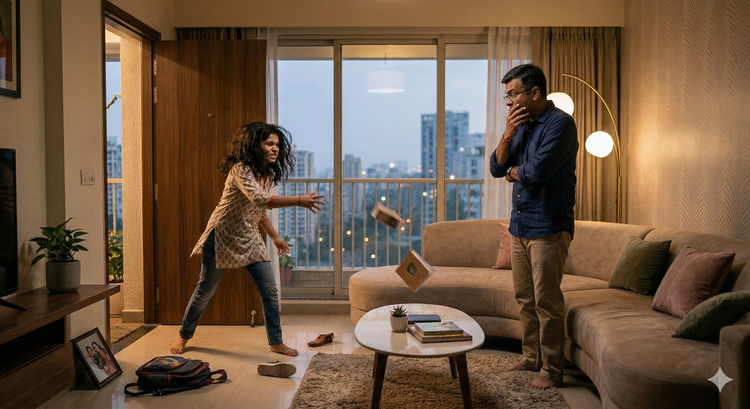
My wife called before I arrived home. Our fourteen-year-old son had thrown a phone in anger. It had struck a window, breaking the glass as well as the phone I had bought four days earlier.
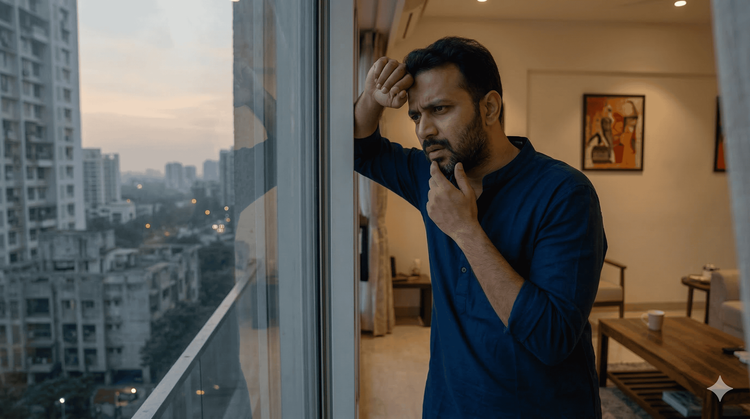
When I entered, I noticed his posture before the damage. His shoulders were drawn in, his eyes wet. I read fear in his expression. I could not know everything he was feeling, but I wanted to understand rather than add to it.
The loss still mattered
The phone had cost around twenty thousand rupees. Seeing it broken hurt. I felt the expense and effort, and the impulse to restore order through anger.
I paused and said that the phone and window could be repaired. I also made a small joke about wishing he had broken my old phone instead. In that moment, I noticed the tension ease.
That was a response that seemed to help our interaction, not a universal technique. Humour can feel dismissive or mocking when it does not fit the person or the moment.
Safety, connection, then responsibility
Broken glass and thrown objects are a safety issue. In any similar situation, first move people away from hazards and establish whether anyone is hurt. Understanding a teenager's distress does not mean permitting dangerous behaviour.
I invited him to tell me what had happened when he was ready to talk more calmly. The pause created room for a conversation. It did not settle the issue by itself.
The next discussion needs to include the impact on other people, a fair contribution to repair where appropriate, and a plan for handling the next surge of anger. What can he do before throwing? Where can he step away safely? Whom can he ask for help?
What his fear asked of me
I could not assume that one calm arrival erased everything he expected from me. If my behaviour had contributed to his fear, that deserved honest attention and change over time.
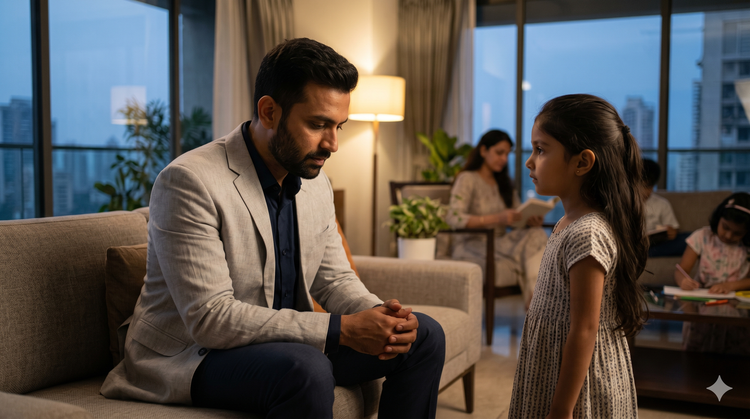
Equally, I should ask rather than tell him what he feels. “Were you worried about how I would react?” opens a different conversation from “I know exactly why you were afraid.”
What stayed with me was the distinction between the value of an object and the dignity of a person. I could take damage seriously while keeping my son someone I wanted to hear, not someone I needed to frighten.
Frequently asked questions
Does staying calm mean ignoring damage?
No. Establish safety, discuss impact, and agree on proportionate responsibility and prevention.
Should I use humour when my teenager is distressed?
Only if it is welcome and does not minimise harm. A straightforward, calm response is often more appropriate.
What if throwing or aggression happens repeatedly?
Treat it as a serious safety and support need. Seek qualified help rather than relying only on informal conversations.

Member discussion